Bucket Elevator vs Belt Conveyor: Which Is Better?
Release time:
2026-07-15
In modern industrial production, efficient material handling equipment plays a critical role in improving productivity, reducing labor costs, and maintaining stable operation.
When choosing a conveying solution, many factories compare bucket elevator vs belt conveyor systems because both technologies are widely used for transporting bulk materials.
However, they serve different purposes. A bucket elevator is mainly designed for vertical lifting, while a belt conveyor is typically used for horizontal or slightly inclined transportation.
Understanding the differences between these two systems helps industries select the right solution based on material characteristics, production layout, and operational requirements.
Jinghang Machinery Equipment provides professional material handling solutions, including bucket elevators and customized conveying systems for food processing, grain, chemical, mining, and industrial applications.
What Is a Bucket Elevator?
A bucket elevator is a type of vertical conveyor system designed to lift bulk materials vertically from one level to another.
It uses a series of buckets attached to a belt or chain that continuously moves materials upward.
The main components include:
- Buckets
- Conveyor belt or chain
- Drive system
- Head section
- Tail section
- Casing structure
- Tensioning device
Bucket elevators are commonly used when factories need to move materials to elevated storage systems, processing equipment, or production lines.

Typical applications include:
- Grain handling
- Food processing
- Cement production
- Chemical materials
- Mining operations
What Is a Belt Conveyor?
A belt conveyor is one of the most common types of material handling equipment used for transporting materials horizontally or at a slight incline.
It uses a continuous belt running over rollers or pulleys to move products and bulk materials.
Main components include:
- Conveyor belt
- Drive pulley
- Idler rollers
- Motor system
- Conveyor frame
- Belt tension system
Belt conveyors are widely used for moving materials over longer distances.
Common applications include:
- Mining transportation
- Warehouse logistics
- Manufacturing lines
- Food production
- Packaging systems
Bucket Elevator vs Belt Conveyor: Key Differences
Choosing between a bucket elevator and belt conveyor depends on several important factors.
1. Transportation Direction
The biggest difference is the movement direction.
Bucket Elevator
Designed mainly for:
- Vertical lifting
- High-level transfer
- Space-saving installations
It is ideal when materials need to move between different floors or elevated equipment.
Belt Conveyor
Designed mainly for:
- Horizontal transportation
- Long-distance movement
- Slight incline conveying
It is better for moving materials across large factory areas.
2. Space Requirements
Factory space is an important consideration.
Bucket Elevator Advantages
- Requires less floor space
- Suitable for compact production layouts
- Provides high vertical lifting capability
For factories with limited space, a vertical conveyor system can be a practical choice.
Belt Conveyor Advantages
- Flexible installation layout
- Suitable for long-distance transportation
- Easy integration with production lines
However, longer conveyor systems require more installation space.
3. Material Handling Capacity
Both systems can handle bulk materials, but their applications differ.
Bucket Elevator
Suitable for:
- Grain
- Powder materials
- Small particles
- Dry bulk products
Advantages:
- Continuous vertical transportation
- Stable feeding
- High lifting efficiency
Belt Conveyor
Suitable for:
- Large quantities of bulk materials
- Heavy materials
- Packaged products
Advantages:
- High transportation volume
- Long-distance movement capability
4. Material Characteristics
The material type affects equipment selection.
Bucket Elevator Applications
Common materials include:
- Wheat
- Rice
- Corn
- Flour
- Fertilizer
- Chemical powders
Bucket elevators work well for materials requiring controlled vertical transfer.
Belt Conveyor Applications
Common materials include:
- Coal
- Ore
- Sand
- Boxes
- Food products
Belt conveyors are preferred for larger or heavier materials.
5. Maintenance Requirements
Maintenance requirements should be considered during equipment selection.
Bucket Elevator Maintenance
Important maintenance areas include:
- Bucket inspection
- Belt or chain checking
- Tension adjustment
- Drive system maintenance
Belt Conveyor Maintenance
Common maintenance includes:
- Belt alignment
- Roller inspection
- Belt replacement
- Motor maintenance
Proper maintenance improves equipment lifespan and reduces downtime.
Bucket Elevator vs Belt Conveyor: Which Is Better for Different Industries?
Food Processing Industry
Food manufacturers require hygienic and reliable conveying systems.
Bucket elevators are commonly used for:
- Grain lifting
- Powder transportation
- Food ingredient handling
Belt conveyors are used for:
- Packaging lines
- Product transfer
- Inspection systems
The final choice depends on whether vertical lifting or horizontal movement is required.
Grain Industry
The grain industry frequently uses bucket elevators because they efficiently transport:
- Wheat
- Rice
- Corn
- Seeds
They are commonly installed in:
- Grain silos
- Storage facilities
- Milling plants
Chemical Industry
Chemical plants require equipment that can handle various materials safely.
Bucket elevators are suitable for:
- Powder chemicals
- Granular materials
Belt conveyors are suitable for:
- Bulk chemical transportation
- Longer production routes
Material compatibility and safety requirements should always be considered.
Mining Industry
Mining operations often require heavy-duty material handling equipment.
Belt conveyors are widely used for:
- Ore transportation
- Long-distance movement
- Large-volume handling
Bucket elevators are used when materials need vertical lifting between processing stages.
How to Choose Between Bucket Elevator and Belt Conveyor?
Before selecting equipment, consider:
1. Material Type
Evaluate:
- Particle size
- Density
- Moisture content
- Temperature
- Abrasiveness
2. Transportation Distance
Choose based on:
- Vertical lifting requirements
- Horizontal distance
- Production layout
3. Capacity Requirements
Important parameters include:
- Tons per hour
- Feeding speed
- Operating hours
- Future expansion needs
4. Installation Space
Factories should consider:
- Available floor area
- Building height
- Equipment integration
5. Operating Environment
Consider:
- Dust levels
- Temperature
- Corrosion risks
- Safety requirements
Why Choose Jinghang Machinery Equipment?
Jinghang Machinery Equipment specializes in advanced material handling solutions for industrial customers worldwide.
The company provides:
- Bucket elevator systems
- Vertical conveyor solutions
- Customized material handling equipment
- Industrial conveying solutions
With professional engineering experience and reliable manufacturing capabilities, Jinghang Machinery Equipment helps customers improve production efficiency, optimize factory layouts, and achieve stable material transportation.
Whether for food processing, grain handling, chemical production, or mining applications, Jinghang Machinery Equipment provides suitable conveying solutions based on customer requirements.
FAQ About Bucket Elevator and Belt Conveyor
What is the main difference between a bucket elevator and a belt conveyor?
A bucket elevator is mainly used for vertical lifting, while a belt conveyor is mainly used for horizontal or inclined transportation.
Which is better for grain handling?
Bucket elevators are commonly preferred for grain handling because they efficiently lift grain vertically in storage and processing facilities.
Can a belt conveyor replace a bucket elevator?
In some applications, yes, but belt conveyors are not ideal for high vertical lifting requirements.
Which equipment is more suitable for mining?
Belt conveyors are commonly used for long-distance mining transportation, while bucket elevators are suitable for vertical material transfer.
Conclusion
The choice between bucket elevator vs belt conveyor depends on material type, transportation direction, capacity requirements, and factory layout.
Bucket elevators provide efficient vertical transportation and save space, while belt conveyors offer flexible long-distance material movement.
Selecting the right material handling equipment can improve production efficiency, reduce operating costs, and ensure reliable industrial performance.
Jinghang Machinery Equipment provides customized bucket elevator and conveyor solutions for global industries.
Contact Jinghang Machinery Equipment:
Email: info@jinghangelevator.com
Related News
How Does Moisture Affect Bulk Material Conveying?
Moisture affects bulk material conveying by changing flowability, adhesion, bulk density, particle cohesion, and the likelihood of buildup inside buckets, chutes, and discharge points.
How Do You Match a Bucket Elevator to Existing Equipment?
To match a bucket elevator to existing equipment, buyers must verify material flow, required throughput, inlet and discharge elevations, connection dimensions, control signals, and the operating limits of upstream and downstream machines.
Contact Us
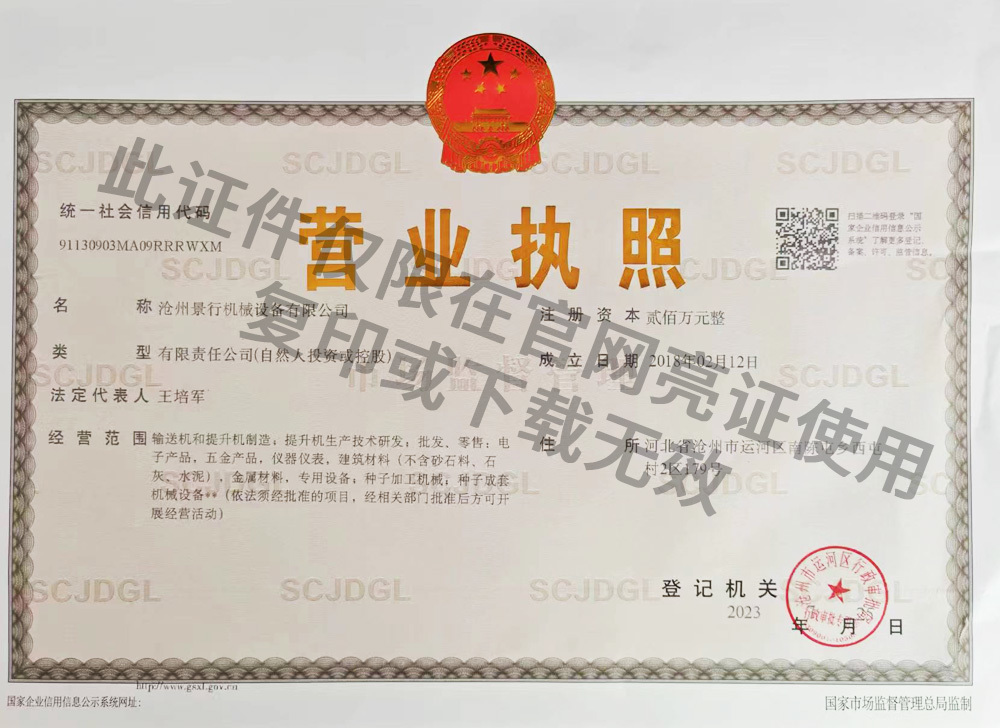
Cangzhou Jinghang Machinery Equipment Co., Ltd.
Add:Xitun East Road, Nanchentun Town, Yunhe District, Cangzhou City, Hebei Province, China
Contact:Manager Wang
WhatsApp:lyh520wpj
Facebook:lyh520wpj@gmail.com
Mobile:+86-18713706961
E-mail:info@jinghangelevator.com
Focus on us

Consultation
We will contact you within one working day. Please pay attention to your email.
Cangzhou Jinghang Machinery Equipment Co., Ltd. | Powered by www.300.cn | SEO | Business license | Privacy Policy